Mixing alcohol and Accutane is not recommended due to the potential increase in side effects and health risks.
1 in 5 deaths aged 20 to 49 each year is due to alcohol-related issues.
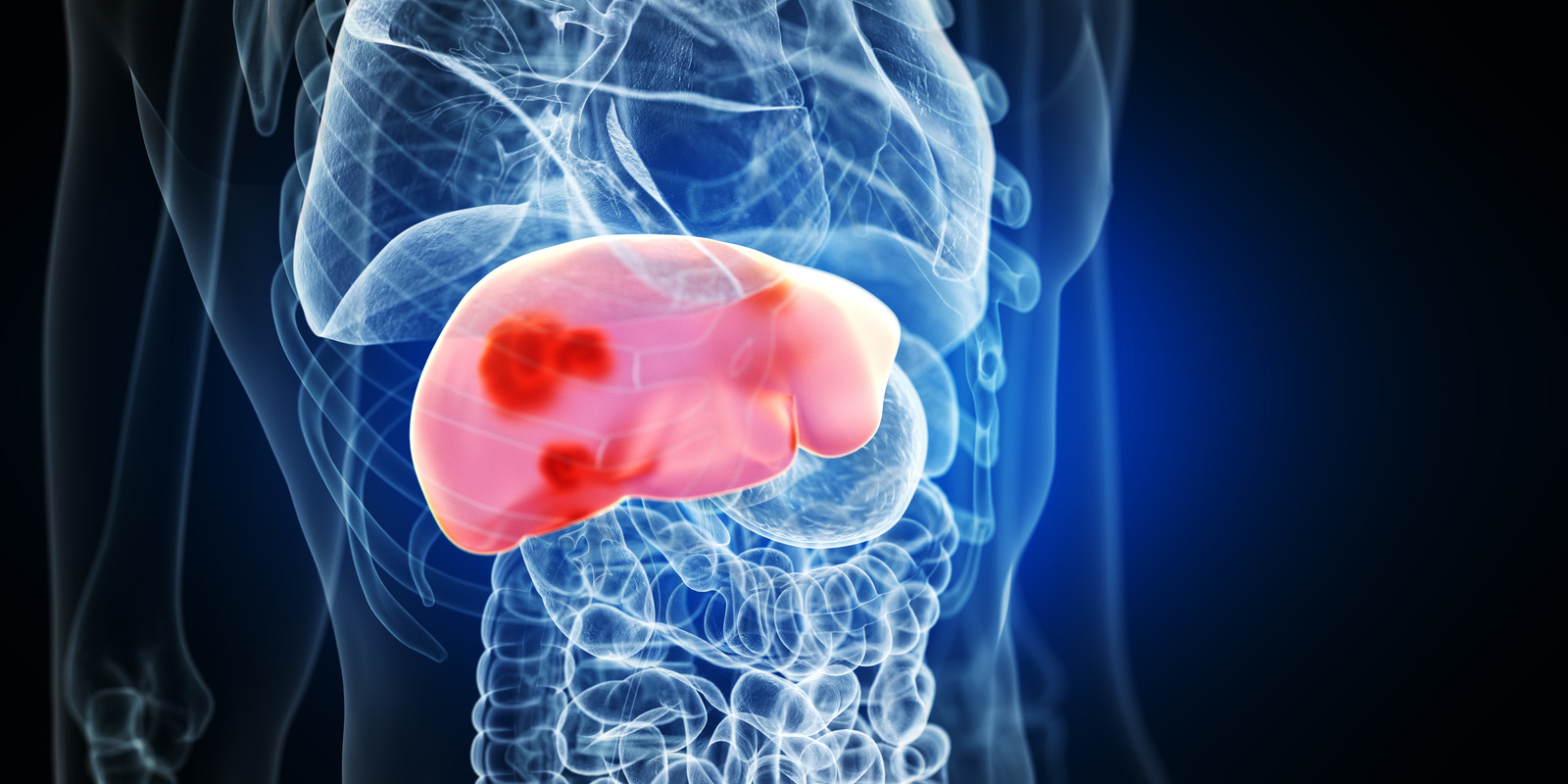
15% of patients on Accutane presented with liver abnormalities, even though they exhibited no symptoms.
Accutane and alcohol share serious health risks and adverse effects, including liver damage, mental health problems, and the potential for birth defects.
When Accutane and alcohol are taken together, these harmful effects and adverse outcomes may worsen.
The drug formerly known as Accutane was the brand name for the generic medication isotretinoin, which is administered as a treatment for persistent, treatment-resistant acne. Due to the dual risk of liver toxicity, mixing accutane and alcohol can be harmful and is not recommended.
Alcohol Facts: Effects, Health Risks, and Dangers
Drinking alcohol is typically a socially acceptable vice when consumed in moderation and when no substance or Alcohol Use Disorder (AUD) is present. One of the effects of alcohol is intoxication. The intoxicating element of alcohol is a byproduct of fermentation, where the natural sugars are converted into ethanol.
During the intoxicated state, it’s common to experience reduced inhibitions, a sense of relaxation or euphoria, and altered central nervous system (CNS) function (depressed breathing, heart rate, etc.) Drinking alcohol in excess (more than 4 or 5 drinks on a single occasion, CDC) puts extra strain on your liver and can lead to serious health risks over time.[1]
Additional studies from the CDC reveal that excessive alcohol use can reduce one’s life expectancy by as much as 26 years, and 1 in 5 deaths aged 20 to 49 each year is due to alcohol-related issues.[3]
Alcohol Use and Your Liver
According to the National Library of Medicine, alcohol is the leading cause of liver disease, and the final, most acute stage of alcoholic liver disease is irreversible.[4] Additionally, only 30 to 50 grams of alcohol consumed each day is enough to cause alcoholic liver disease.[5]
The acne drug Accutane was removed from the market by Swiss drugmaker Roche Holding AG in 2009.[7] However, it is merely the brand name for the generic drug isotretinoin. This powerful medication is highly potent and prescribed primarily when other acne treatments have proved ineffective.
It is also used off-label to treat other skin disorders, including inflammatory skin conditions, genodermatoses, and skin cancer.[8] Isotretinoin is formulated from vitamin A, but in large doses, the vitamin can lead to toxicity. The prescription alternative offers a safer and highly effective treatment for persistent, severe acne, with results appearing as soon as one to two months.[9]
Health Risks and Side Effects of Accutane Use (Isotretinoin Use)
Despite its success as an acne treatment option, isotretinoin use is not without its risks. From pregnancy complications to allergic reactions, this medication is associated with several concerning: [10]
Serious liver problems
Acute risk of serious birth defects if pregnant (requires multiple birth control methods)
Initial skin irritation or increased acne
Decreased night vision
Dryness in the nose, mouth, and eyes
Increased skin sensitivity to the elements (sun, wind, cold, etc.)
Emotional and behavioral changes (depression, suicidal thoughts)
Vision loss
Brain problems due to increased intracranial pressure
Greater risk of Stevens-Johnson syndrome (skin condition)
Joint pain
Increased risk of facial scarring
Altered blood sugar
Higher risk of pancreatitis
Hearing problems
Inflammatory bowel disease
Serious allergic reactions may include anaphylaxis
Increased risk of bleeding and infections
Negative interactions with other substances (medications, herbal supplements, vitamins, etc.)
Is it safe to drink alcohol while on Accutane? What are the risks?
Both alcohol and Accutane can negatively impact liver health, among other serious health concerns. When combined, their effects can be compounded. Due to the dual risk of liver damage and potential increase of effects, it is not recommended to mix Accutane and alcohol.
According to recent medical studies, 15% of patients on Accutane presented with liver abnormalities even though they did not exhibit any symptoms to indicate this was the case.[11] This same medical study shows that there may be the potential for liver resilience in the event of injury or abnormalities due to Accutane. Additionally, the way your body uses and processes this medication may have a direct toxic effect, especially with higher doses.[12]
Both substances can also negatively affect mental health (depression, mood swings, suicidal thoughts, general mental health concerns, etc.). When taken together, these effects could be exacerbated possibly leading to a reduced quality of life.
The rule of thumb is to consult your healthcare provider before mixing any medications or substances.
Potential Drug Interactions When Mixing Alcohol and Accutane
The long-term health risks of mixing Accutane and alcohol are merely part of the equation. When both substances are present in your system, they may negatively interact with each other and result in short-term , including:[13]
Rapid heart rate
Warm, red skin
Tingling sensation
Vomiting
Nausea
Safety Tips While Taking Accutane
Always ask your healthcare provider before mixing any substances, medications, or supplements with other drugs or alcohol. Only take prescription medications as prescribed, in frequency, administration, and dosage. Due to the dryness experienced when taking Accutane, you may need additional moisturizer and sunscreen.
[3]Esser, M. B., Sherk, A., Liu, Y., Naimi, T. S., Stockwell, T., Stahre, M., Kanny, D., Landen, M., Saitz, R., & Brewer, R. D. (2020). Deaths and years of potential life lost from excessive alcohol use — United States, 2011–2015. Morbidity and Mortality Weekly Report, 69(30), 981–987. https://doi.org/10.15585/mmwr.mm6930a1
[11][12]U.S. National Library of Medicine. (2020, November 10). Isotretinoin. LiverTox: Clinical and Research Information on Drug-Induced Liver Injury [Internet]. https://www.ncbi.nlm.nih.gov/books/NBK547857/
Frequently Asked Questions About Drug Rehab In Austin
Without knowing your medical history, the answer to this question will vary. Consult your physician before changing your medication schedule or drinking while taking Accutane. A general rule of thumb is to wait at least one month after you stop taking Accutane before drinking alcohol.
Always avoid any medication or dug crossover before consulting your doctor. During Accutane treatment, it’s recommended that you avoid unnecessary exposure to the sun, alcohol, supplemental Vitamin A sources, and additional acne treatments.
Due to its effectiveness in treating acne, Accutane commonly causes dry skin and chapped lips, but these effects are expected to clear once the patient stops taking the medication.
How To Get Started At Our Addiction Treatment Center in Austin
Give Us a Call
Our admission specialists are ready to talk with you 24/7 about starting the journey. We always treat each caller with the utmost respect, detailing your treatment options and respecting your confidentiality.
Based on your assessment, we’ll work together to create a customized treatment plan that addresses your needs, ensuring you have the support and resources necessary to achieve your goals.
Verify Your Insurance
The Last Resort is in-network with most major insurance companies.
Start Healing from Addiction and Dual Diagnosis Issues
We’ll welcome you to our campus and start laying the groundwork for a successful, long-term recovery.
Ask us anything. We’ll tell you straight.
Our admissions team answers 24/7. No script, no pressure — just a conversation with someone who’s been where you are.

 Medically reviewed by
Dr. Po-Chang Hsu, M.D., M.S.
Medically reviewed by
Dr. Po-Chang Hsu, M.D., M.S.
 Written by
Briana Sefcik
Written by
Briana Sefcik